

Rethinking productivity through calm interactions, flexible routines, and meaningful focus metrics.


AI-Assisted Design Process
Exploring the Problem
I first focused on understanding the problem the product needed to solve, the target user, and their core needs. Rather than moving directly into visual design, I defined the product direction and considered how the overall user experience should work.
Ideation with Claude
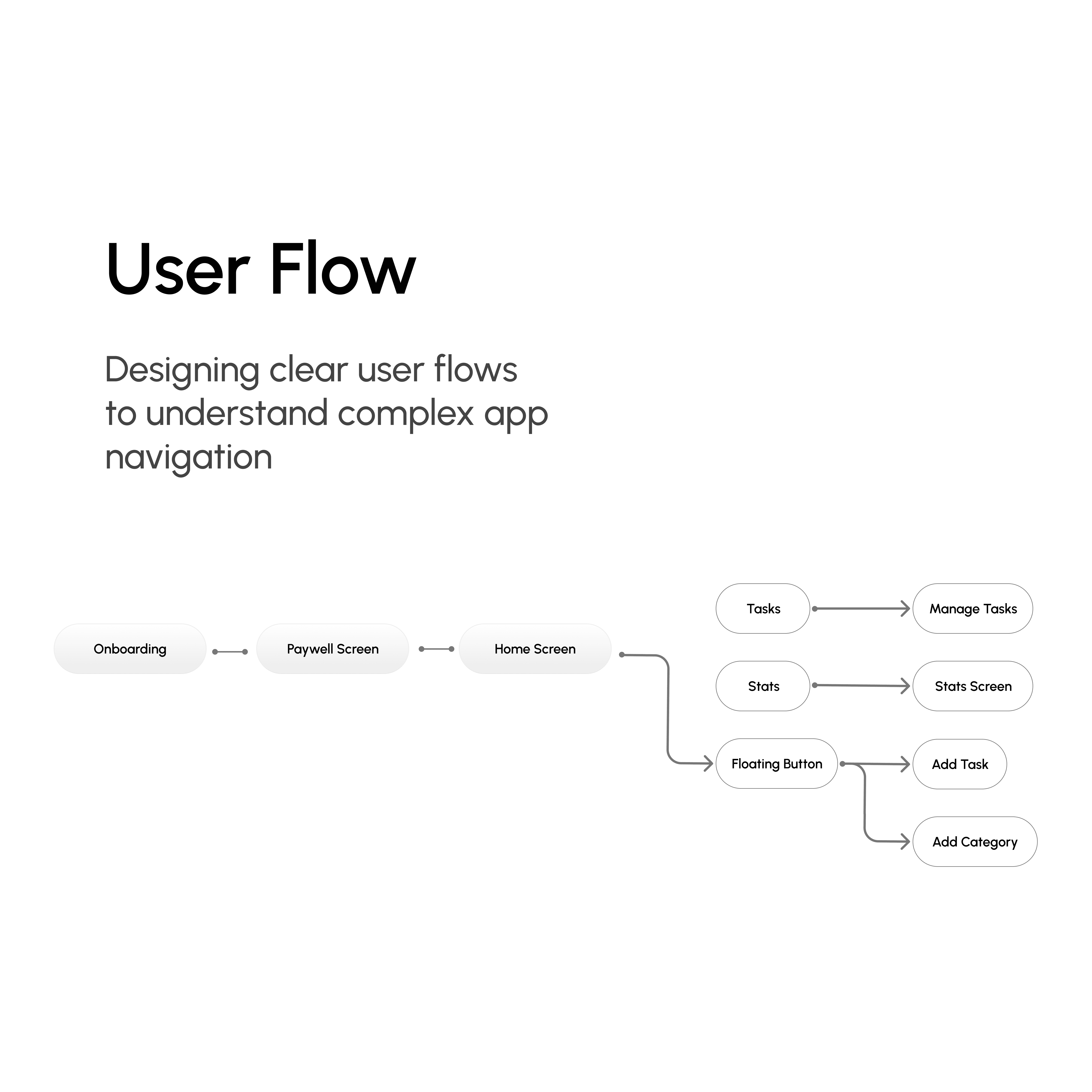
I incorporated Claude into the early ideation stage to quickly explore different product directions. I used it to develop user scenarios, feature ideas, and potential user flows, allowing me to explore multiple approaches before committing to a specific direction.
The goal was not to have Claude design the product for me, but to generate more possibilities, compare alternatives, and identify promising directions faster.
AI Prototyping
Once I had a clearer direction, I used Claude to create functional early-stage prototypes. This allowed me to experience the product flow rather than evaluating ideas only through static screens.
I explored navigation, content hierarchy, core interactions, and transitions between screens to identify what worked and what needed improvement.
Evaluate & Iterate
I evaluated the prototypes through repeated iterations, identifying friction points and experimenting with alternative solutions. Some ideas were removed, others were restructured, and the overall flow was refined to create a clearer experience.
Rather than treating AI-generated outputs as final solutions, I used them as starting points for exploration and design decision-making.
My Design Direction
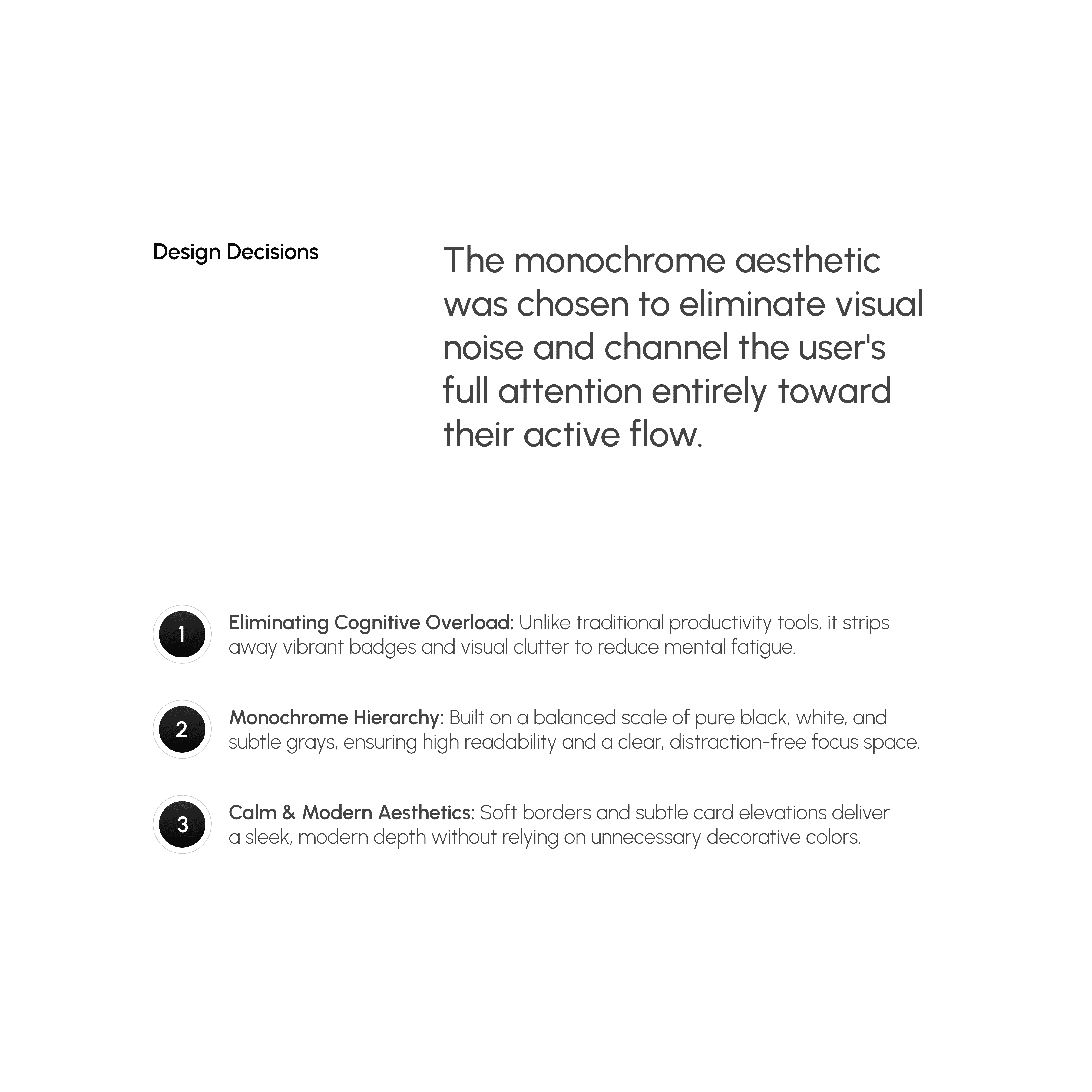
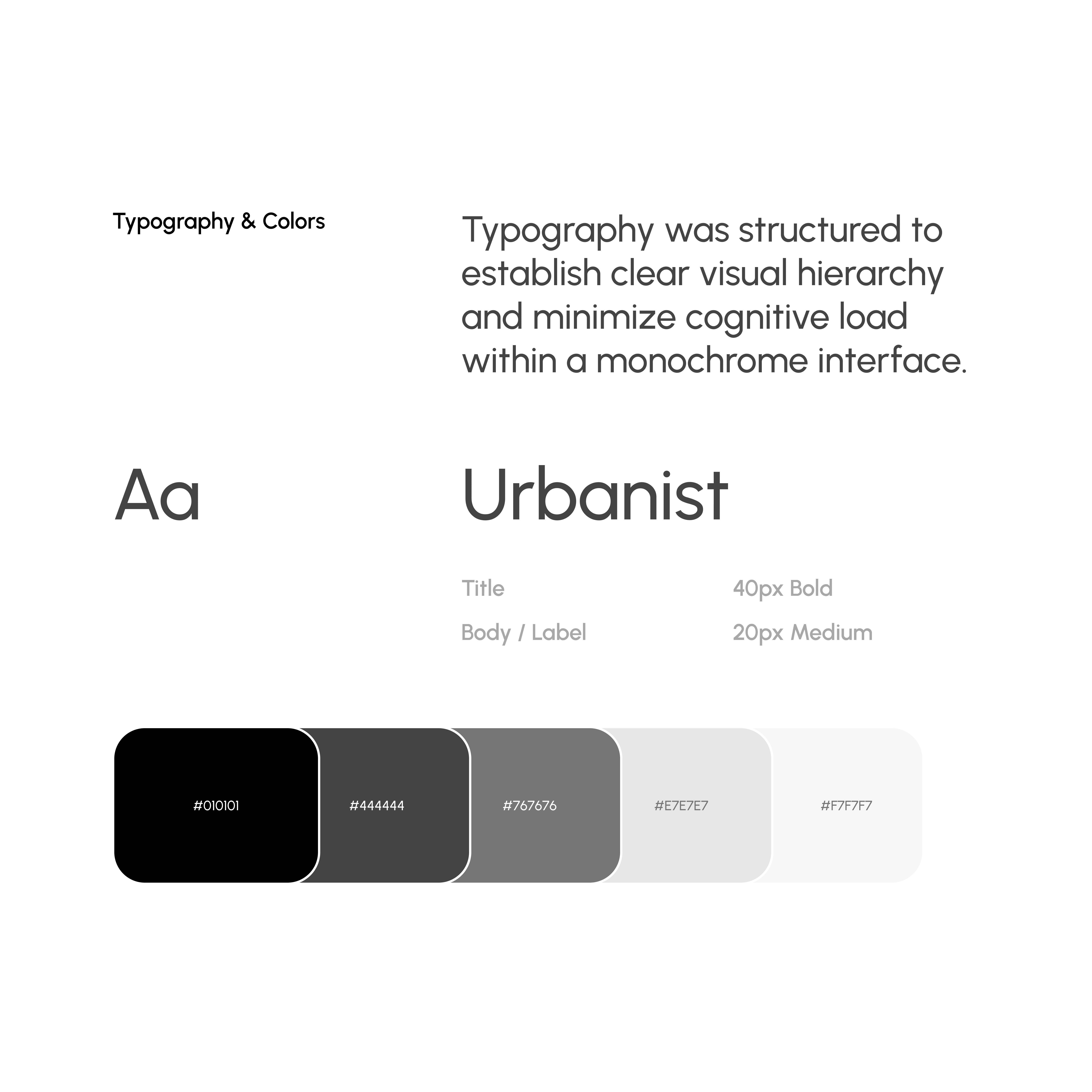
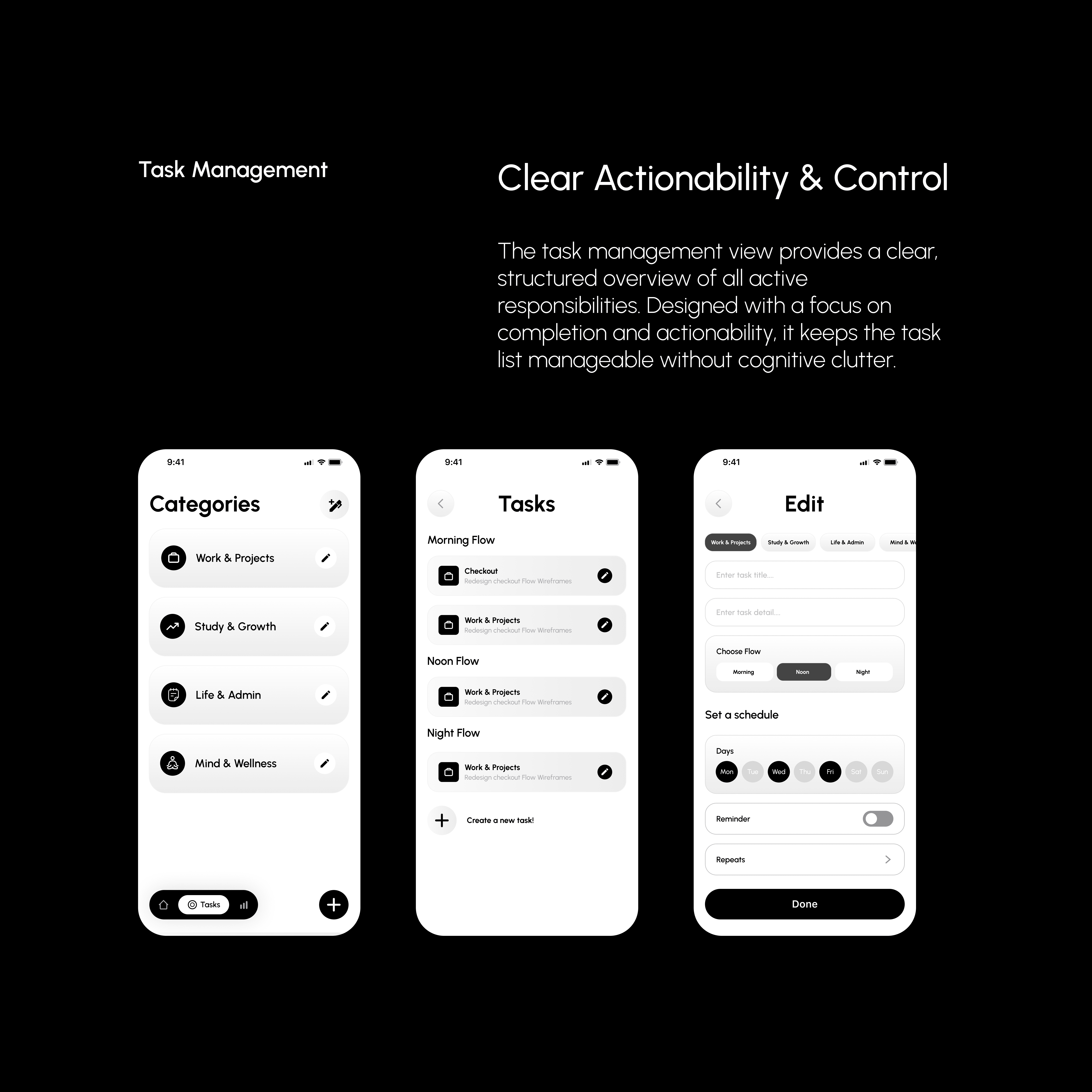
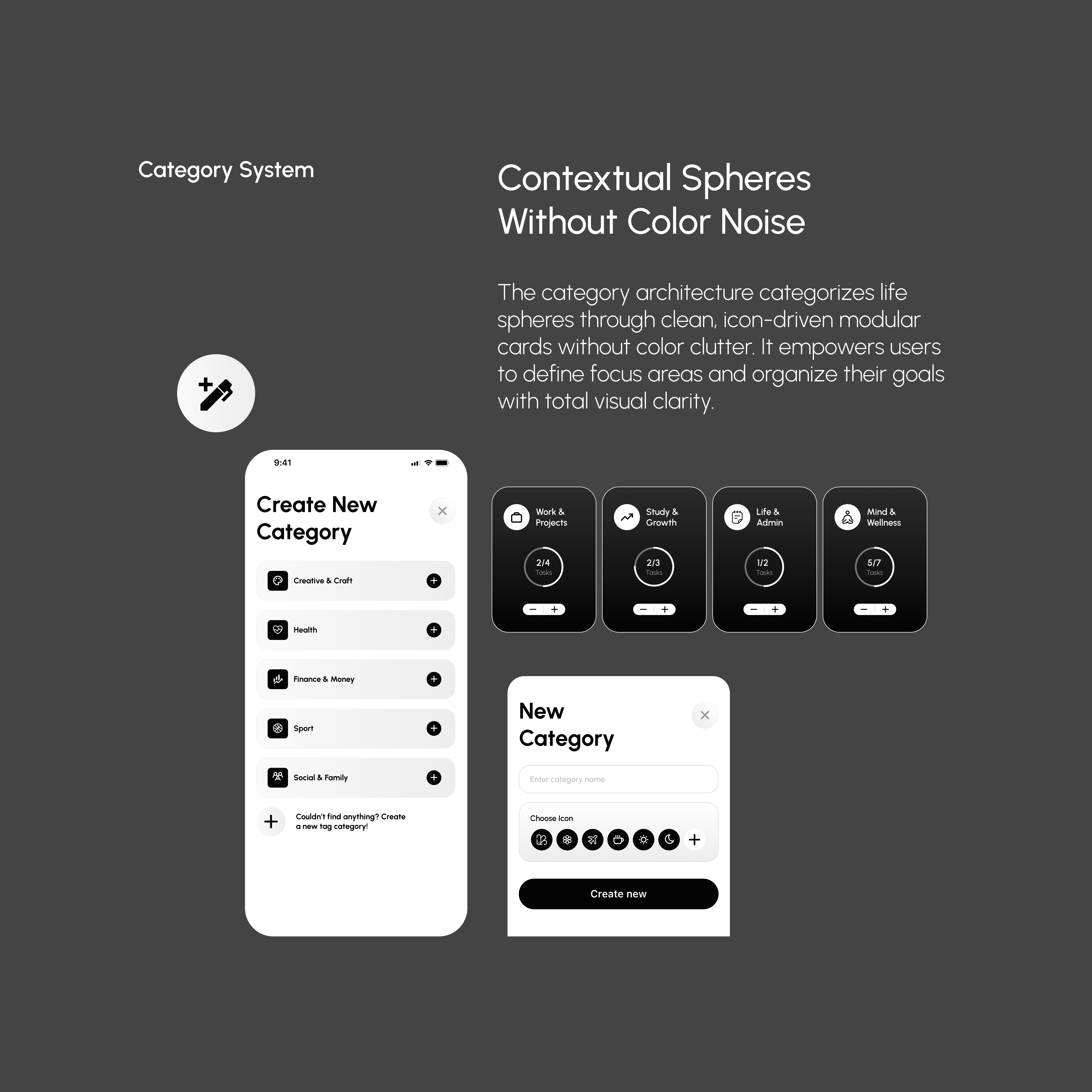
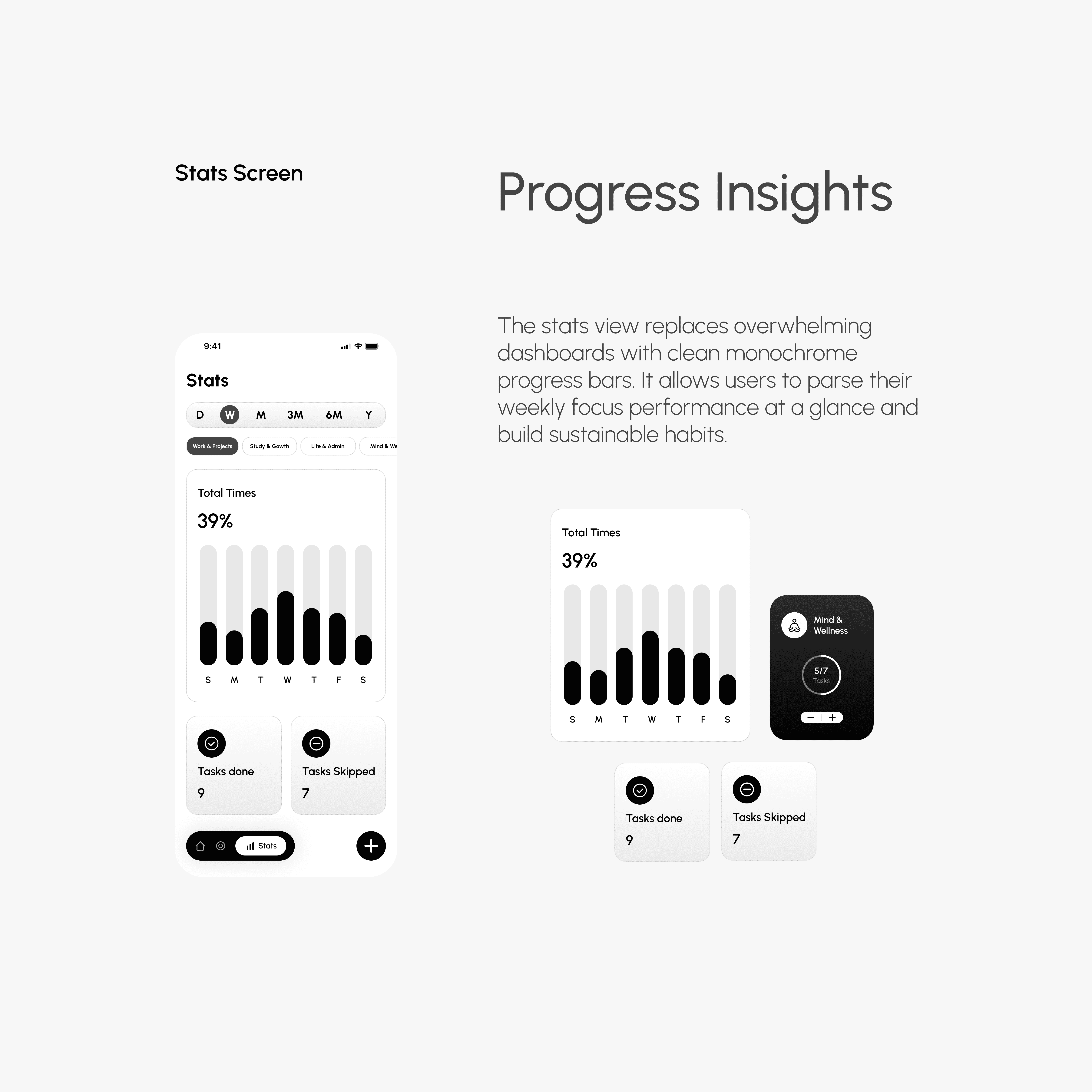
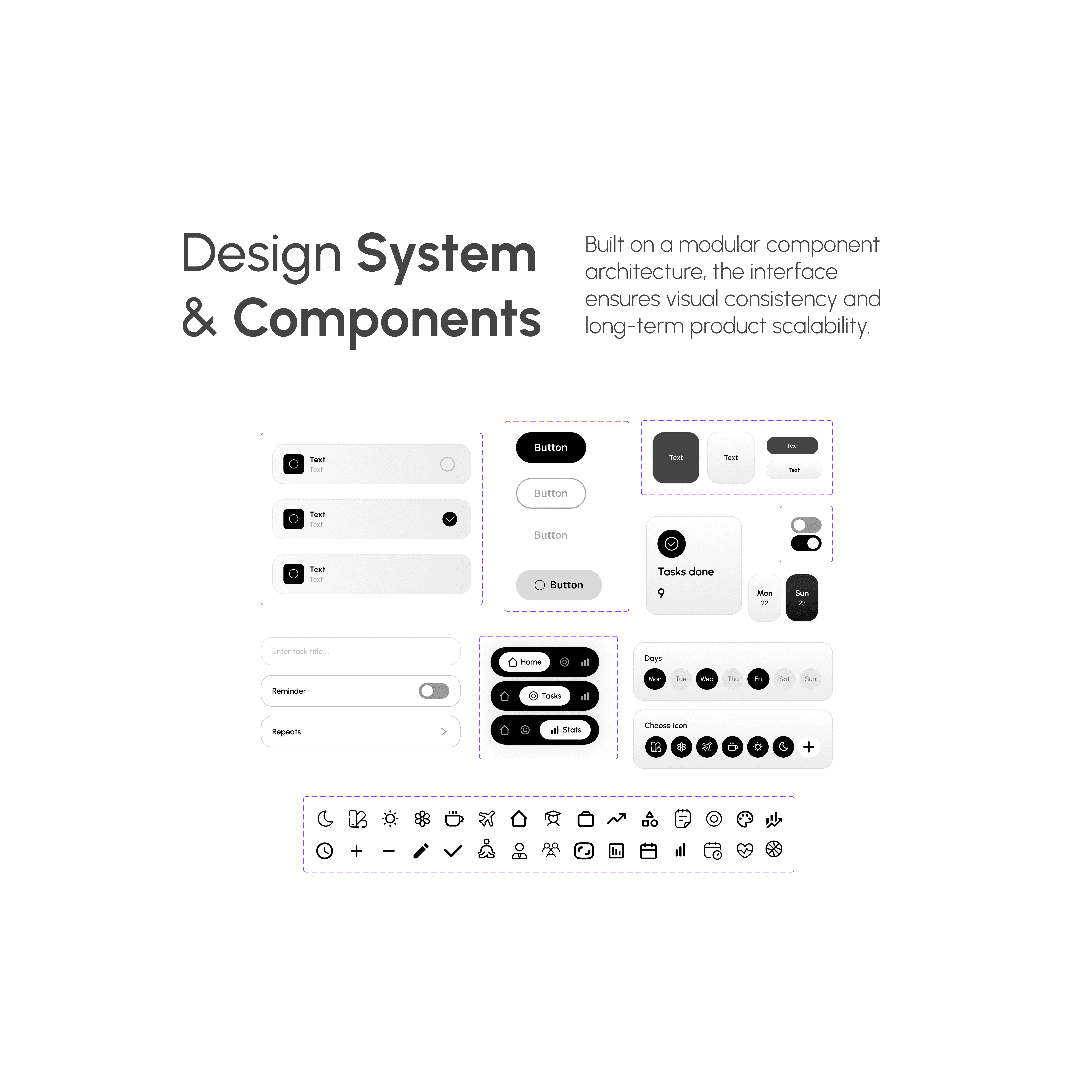
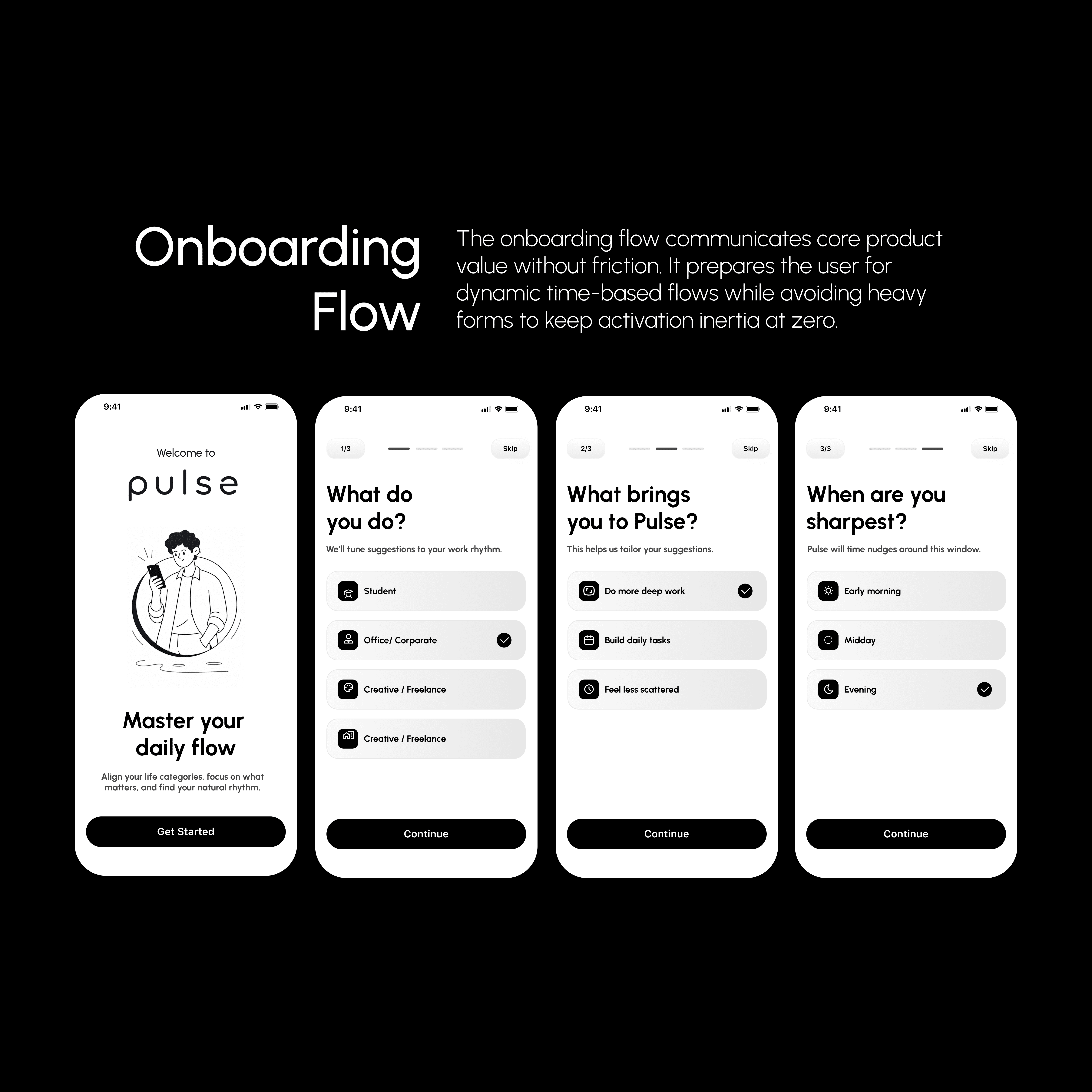
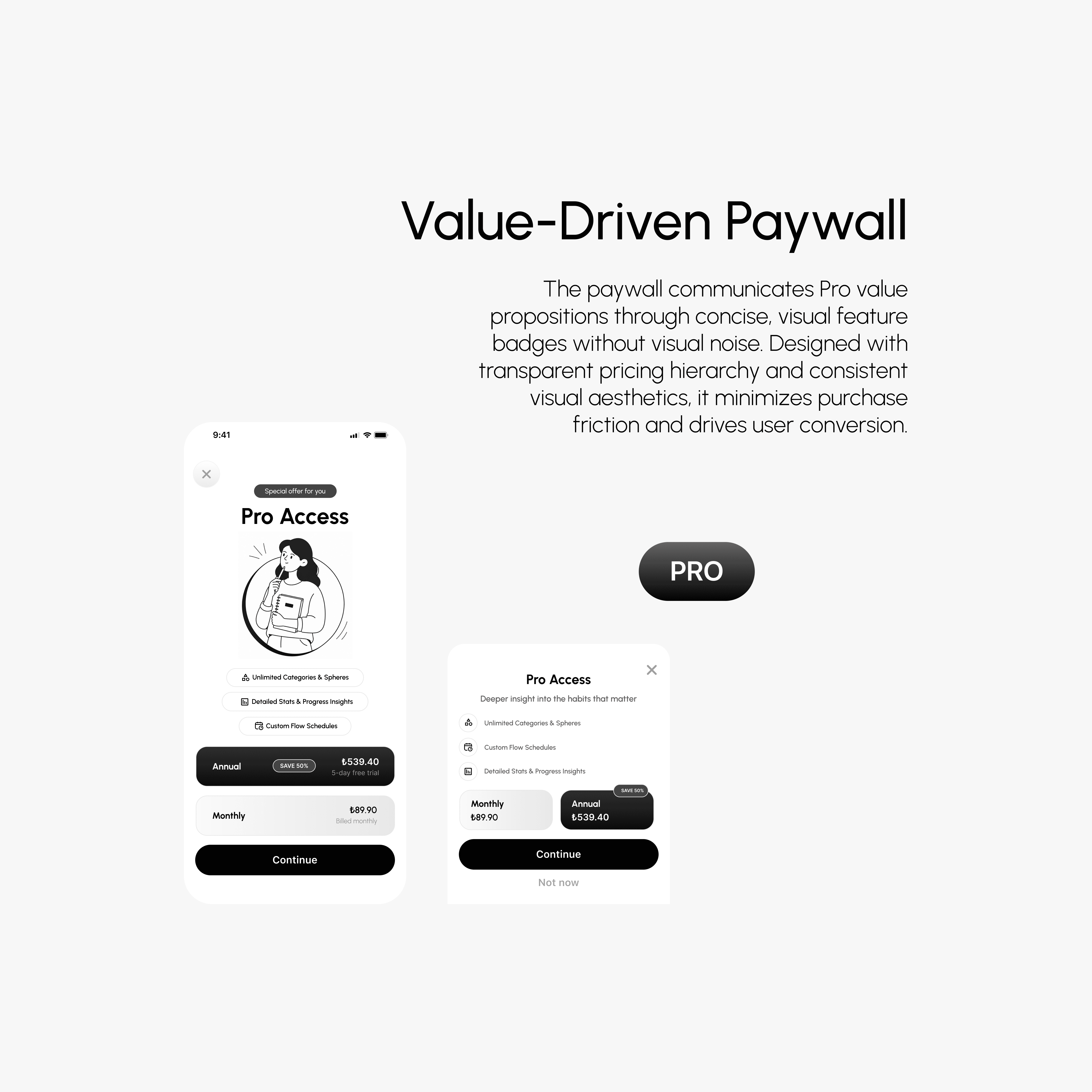
After the AI-assisted exploration phase, I established the final visual and interaction direction myself. I refined the information architecture, layout, typography, color, spacing, component structure, and interactions before rebuilding the interface in Figma around my own design system and decisions.
This process allowed me to move from AI-assisted exploration and rapid prototyping to a refined final product shaped by my own design thinking.